 by
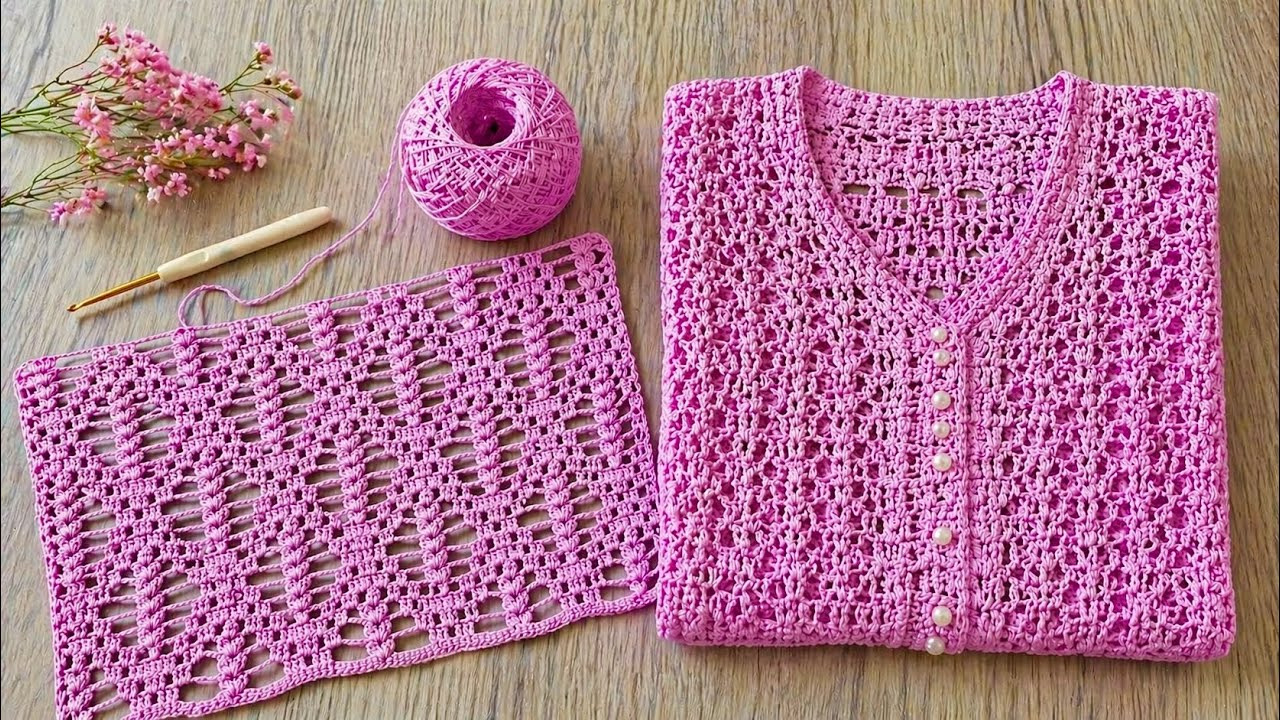
by To create a single design that works for Blouses, Runners, and Shawls, you need a “Modular Signature Pattern.” This is a stitch design that is beautiful enough to be the star of a shawl, stable enough for a runner, and flexible enough to drape over the body in a blouse.
Here is the blueprint for creating your own unique, multi-purpose “Master Pattern.”
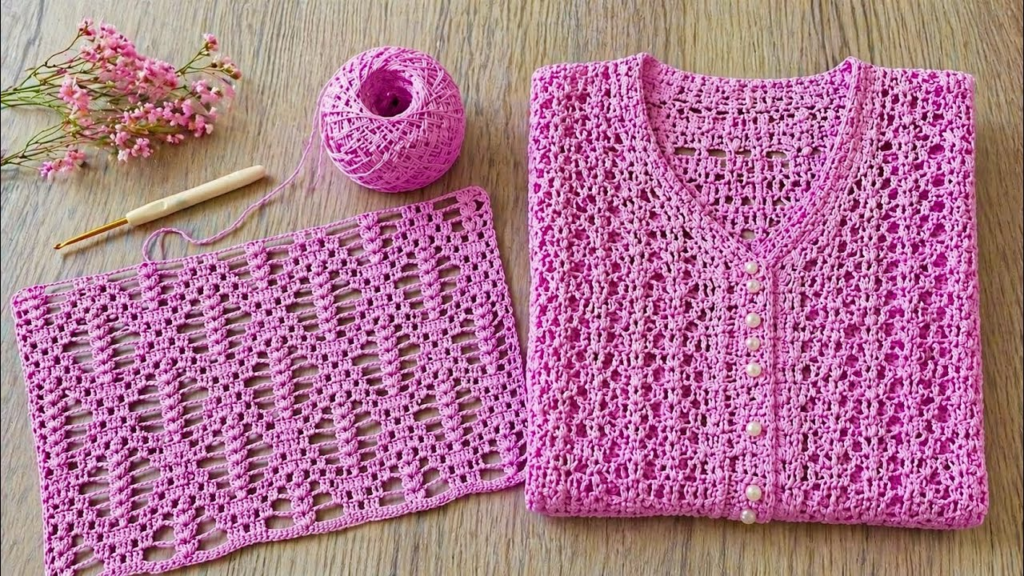
Step 1: Design the “Signature Stitch” (The DNA)
To make a pattern unique, we will create a Hybrid Stitch. Let’s design one called the “Floating Fan & Pillar.” It combines the elegance of lace with the structure of solid columns.
The Multiple: 10 + 2 (This means your foundation chain should be a multiple of 10, plus 2 extra chains at the end).
The Row Repeat:
- Row 1 (Foundation): DC in each chain across.
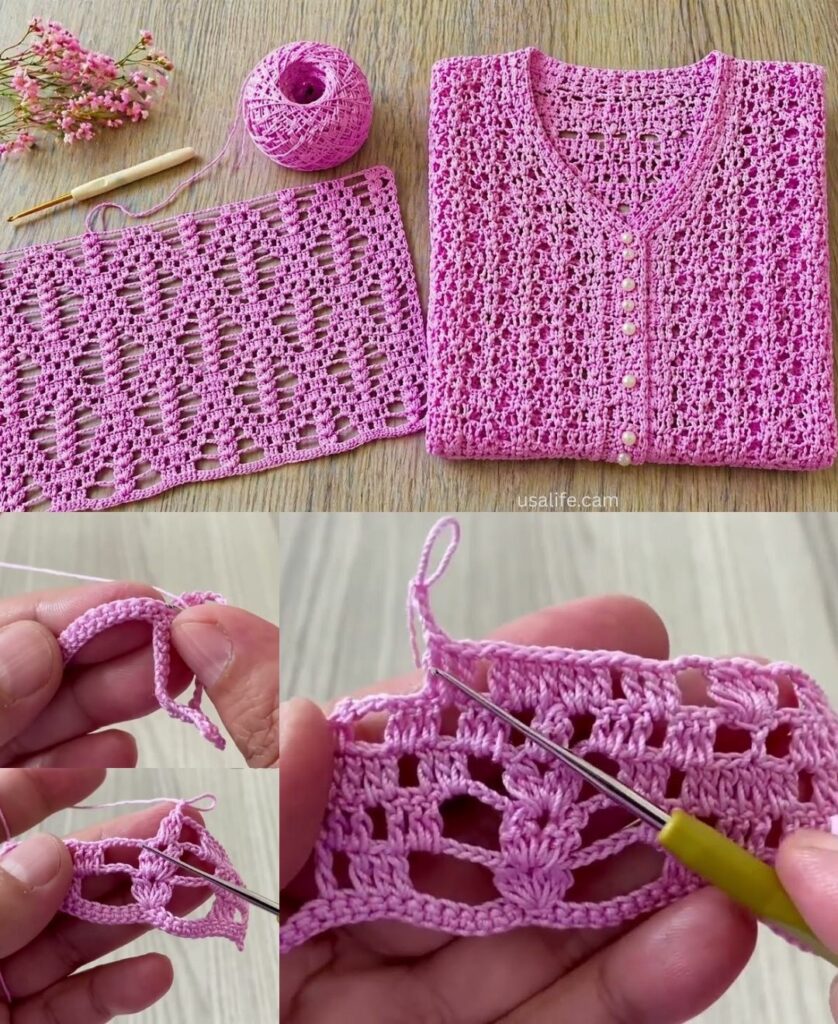
- Row 2 (The Lace): DC in next 2 sts (The Pillars), Ch 3, Sk 3 sts, 5 DC in next st (The Fan), Ch 3, Sk 3 sts. Repeat from * to * across. End with 2 DC.
- Row 3 (The Floating Row): 2 FPDC (Front Post Double Crochet) around the pillars, Ch 2, 1 SC in each of the 5 Fan stitches, Ch 2. Repeat across.
- Row 4 (Reset): DC in each stitch and chain space across.

Step 2: Adapting the Pattern for Three Projects
Now that you have your “DNA,” here is how you translate it into three completely different items.
1. The Runner (Linear & Stable)
A runner needs to stay flat and look balanced on a table.
- Width: Start with a chain of 52 (5 repeats of the multiple + 2).
- The Unique Twist: Use a Mercerized Cotton yarn. It has a slight sheen and won’t stretch out over time.
- The Detail: Add a “Weighted Border.” On the short ends of the runner, add three rows of Popcorn Stitches. The weight of the popcorns will keep the runner from curling off the table.
2. The Shawl (Drape & Flare)
A shawl needs movement. We will adapt the stitch into a Triangle Shape.
- The Logic: Start at the bottom point with 1 “Fan” and increase by adding 1 “Fan” on each side every 4 rows.
- The Unique Twist: Use a Gradient Yarn Cake (Ombre). Because the “Pillar” stitches are raised (FPDC), the color changes will look like they are climbing a ladder.
- The Detail: Add an Asymmetric Fringe. Instead of fringe all the way around, only add long, 10-inch tassels to the two wing-tips of the shawl.

3. The Blouse (Shape & Fit)
For a blouse, we use the “Two-Panel Construction.” It’s the easiest way to ensure a professional fit.
- The Build: Crochet two identical large rectangles. The width should be half of your hip measurement plus 2 inches for “positive ease” (comfort).
- The Neckline: When you reach the top of the panels, leave the center 8 inches unsewn. This creates a “Boat Neck,” which looks incredibly high-end with the Floating Fan stitch.
- The Unique Twist: Use a Bamboo or Silk blend. These fibers have “heaviness,” meaning the blouse will skim your body rather than looking boxy.

Step 3: The “Signature” Finishing Moves
To make these projects truly yours, apply one of these “Unique Design Filters” to all three:
| Feature | How to Apply | Why it’s Unique |
| Mixed Media Edging | Thread a thin velvet ribbon through the Row 4 DC gaps. | Adds a high-fashion, “boutique” look. |
| Negative Space Accents | In the blouse or shawl, skip the “Fan” for one repeat to create a “window.” | Creates an edgy, modern geometric look. |
| Reverse Texturing | Work the entire back of the blouse or the underside of the shawl in “Back Loop Only.” | Creates a subtle ribbed secret that only the wearer knows. |
Step 4: Pro-Tips for Success
- The Swatch is Your Best Friend: Before making the blouse, crochet a 6×6 inch square in your chosen yarn. Wash it. If it sags too much, drop your hook size by 0.5mm.
- Count Your Pillars: In this pattern, the “Pillars” (the 2 DC/FPDC) are your grid. If they aren’t perfectly vertical, your runner will look wavy and your blouse will twisted. Use stitch markers on the pillars!
- Steam Blocking: Never skip this. For runners and shawls, steam blocking “opens up” the fans and makes the lace look professional rather than “homemade.”
Since you are looking to create a unique pattern, are you leaning more toward a boho-chic style with lots of texture, or a minimalist style with clean lines?