 by
by Crocheting a Blouse or Tunic is an incredibly rewarding project. These garments are defined by their shape and fit: a Blouse typically ends at the waist or hip, while a Tunic is longer, often reaching mid-thigh or knee.
Given the warm climate in Phnom Penh, the instructions below prioritize lightweight construction, good drape, and breathability.

Yarn and Hook Selection for Warm Climates
For optimal comfort, choose soft, breathable fibers:
- Yarn Fiber: 100% Cotton, Cotton/Bamboo Blend, or Linen Blend. These fibers are cool, soft, and provide excellent drape.
- Yarn Weight: Sport Weight (Category 2) or DK (Double Knitting / Category 3). Avoid heavy Worsted Weight yarn.
- Hook Size: Often slightly larger than the yarn label recommends (e.g., a 4.0mm or 4.5mm hook for DK yarn) to create a looser, airier fabric.
The Best Construction Method: Top-Down Yoke
The Top-Down Yoke method is the easiest and most versatile construction for blouses and tunics. It starts at the neck, works downward, and requires minimal seaming (usually just under the armpits).
A. Core Preparation (Crucial for Fit)
- Measurements: You need the wearer’s neck circumference, chest circumference, desired yoke depth (neckline to armpit), and final desired length (waist for a blouse, hip/thigh for a tunic).
- Gauge Swatch (DO NOT SKIP): Crochet a 4×4 inch (10×10 cm) swatch using your main stitch pattern. Adjust your hook size until your stitch and row count matches the pattern’s gauge. This is the only way to ensure the garment fits the correct size.
- Stitch Selection: Choose a stitch that drapes well and is open, such as the V-Stitch (
[dc, ch 1, dc]in one space), Shell Stitch, or simple Double Crochet (dc).

B. Step-by-Step Top-Down Construction Outline
Step 1: Foundation and Yoke Setup
- Foundation Chain (Neckline): Chain the specified number of stitches (based on your gauge) for the neckline circumference. Join with a slip stitch (sl st) to form a ring.
- Initial Rounds: Work a few rounds of simple stitches (like
scorhdc) to stabilize the neckline.1 - Establish Yoke Points: The pattern will instruct you to divide the total stitch count into sections: Back, Front, and two Sleeves. Place Stitch Markers at the 4 corners where the sections meet.
Step 2: Crocheting the Yoke (Increases)
The yoke increases in every round to create the space for the shoulders and chest.
- Increase Rounds: Work in your main stitch pattern. At each marked corner, work an increase (e.g.,
[dc, ch 2, dc], or2 dcin the marked stitch). Move the marker up to the new increase point after each round. - Continue Increasing until the yoke lies flat (no curling or ruffling) and the circumference fits comfortably over the widest part of the wearer’s chest/shoulder.
- Reach Armhole Depth: Stop increasing when the yoke reaches the armpit level.
Step 3: Divide for Body and Sleeves
This row separates the garment, keeping the front and back together and isolating the sleeve stitches.
- Dividing Row: Work across the Back section stitches.
- Chain Underarm: Chain 2-4 stitches (this creates the underarm gap).
- Skip Sleeve Stitches: Skip all the stitches for the first Sleeve section.
- Work across the Front section stitches.
- Repeat the Chain Underarm and Skip Sleeve Stitches for the second sleeve.
- Join the round (or turn) to begin working the body only.
Step 4: Body and Length
- Body: Continue working straight rounds (or turning rows) in your main stitch pattern, working into the underarm chain spaces.
- Blouse: Continue until the desired length (waist or high hip) is reached.
- Tunic: Continue until the desired length (mid-thigh or knee) is reached.
- Shaping (Optional): If you desire waist shaping, decrease 1-2 stitches evenly on either side of the body for a few rounds at the waistline, and then increase them back out toward the hips (particularly important for a tunic).
- Hem: Finish the bottom edge with a few rounds of
scor a decorative border (like a shell edge or ribbing).

Step 5: Sleeves
- Rejoin Yarn: Attach yarn at the center of the underarm chain space.
- Work in Rounds: Work in rounds, following your main stitch pattern.
- Tapering: For full-length sleeves, gradually decrease 1-2 stitches evenly every few rounds to taper the sleeve to the wrist.
- Finish: End with a cuff (e.g., using post stitches for ribbing) or a simple border. For a warm climate, short, flared, or cap sleeves are excellent.
Step 6: Finishing (The Professional Look)
- Neckline: Work 1-2 rounds of single crochet (sc) or slip stitch (sl st) around the neckline for a smooth, stable edge.
- Weave in Ends: Secure all yarn tails very neatly.
- Blocking (Mandatory): Wet block the finished garment. Pin the blouse/tunic out to the correct measurements, stretching the yoke and the body gently. Allow it to air dry completely. Blocking sets the stitches, evens tension, and significantly improves the drape of the fabric.2
Summary of Tunic vs. Blouse Adaptations
| Feature | Blouse (Waist/Hip Length) | Tunic (Mid-Thigh/Knee Length) |
| Length | Typically 15-20 inches from shoulder. | Typically 25-35 inches from shoulder. |
| Shaping | Often straight or slightly flared at the hip. | May require waist decreases followed by hip increases for a flattering fit. |
| Weight | Can withstand slightly more texture/density. | Must be extremely lightweight and drapey to avoid feeling heavy. |
| Side Slits | Not common. | Highly recommended: Add side slits (stop crocheting the round and start working back and forth in rows for the last 6-8 inches) for better mobility and drape. |
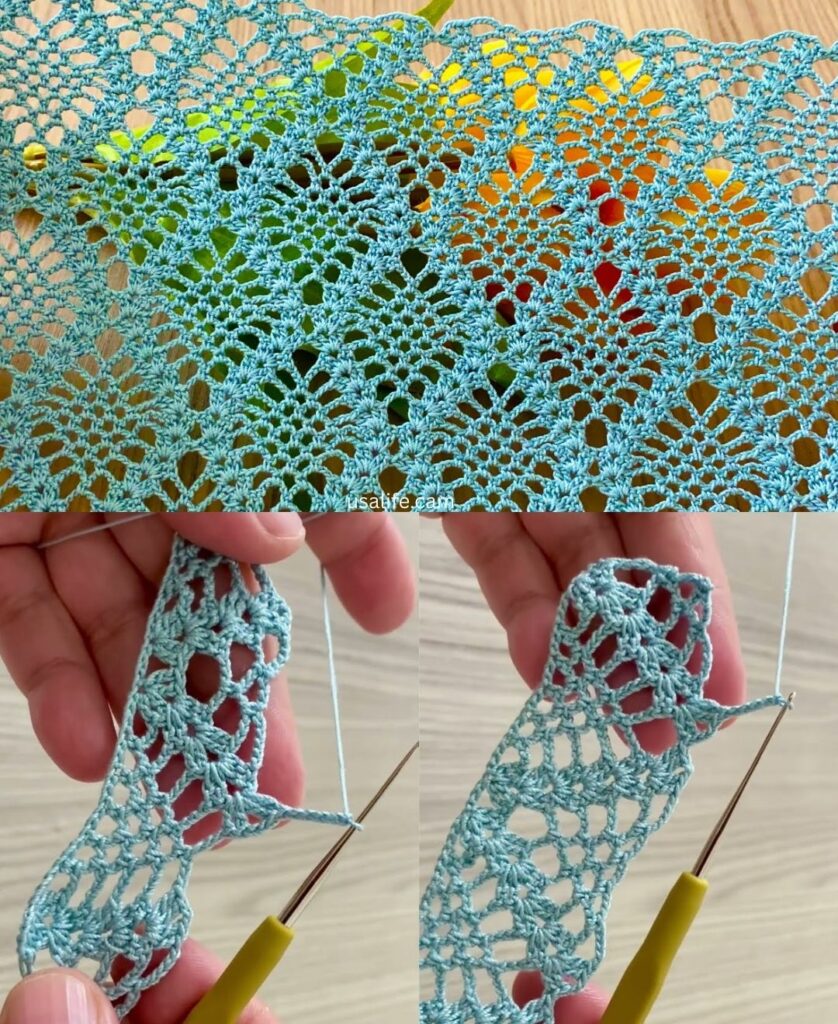
Video tutorial: