by
by That’s a fantastic idea! Crocheting both a blouse and a shawl uses core garment and lace construction techniques. Since you are in a warm climate (Phnom Penh), both tutorials will emphasize lightness, breathability, and drape, which is achieved primarily through yarn choice and open stitch patterns.
For both projects, I highly recommend using 100% cotton or a cotton/bamboo blend in a DK (Category 3) or Sport (Category 2) weight.
1. Crochet Blouse Tutorial: The Top-Down Yoke Method
The Top-Down Yoke method is ideal for a simple blouse because it requires minimal seaming, allows for easy size adjustments, and creates a nice, smooth line over the shoulders.
A. Essential Materials & Key Concepts
- Yarn: Light DK or Sport weight, soft and draping fiber.
- Hook: Size that matches your gauge (usually 3.5mm to 4.0mm).
- Stitch: Simple, repetitive stitch like Double Crochet (dc), Half Double Crochet (hdc), or a simple V-Stitch (
[dc, ch 1, dc]in one space). - Crucial: Gauge Swatch and Stitch Markers (you will need at least 4).

B. Step-by-Step Top-Down Blouse Outline
Step 1: Gauge and Foundation
- Gauge Swatch (Essential!): Crochet a sample using your main stitch. Measure it against the required gauge for the size you are making. Adjust your hook size until you match the gauge, ensuring the garment will fit the intended size.
- Foundation Chain (Neckline): Chain the specified number of stitches (based on your gauge) for the neckline circumference. Join with a slip stitch (sl st) to form a ring (or work in rows if you want a cardigan-style opening).
Step 2: Crocheting the Yoke (The Increases)
The yoke is the shoulder section. You increase stitches in every round/row to make the circle (or square) grow flat.
- Establish Yoke Points: The pattern will instruct you to divide the stitches into four sections: Back, Front, and two Sleeves. Place Stitch Markers at the four corners where the sections meet.
- (Example division for a circular yoke: You might increase every 4th stitch, or follow a specific increase pattern that works with your stitch type).
- Increase Rounds: Work in your chosen stitch, and at each marked point, work an increase (e.g.,
[dc, ch 2, dc], or simply2 dcin the marked stitch). Move the marker up to the new increase point after each round. - Continue Increasing until the yoke reaches the desired armhole depth and the total circumference fits comfortably over the chest.
Step 3: Divide for Body and Sleeves
When the yoke reaches the armpit:
- Dividing Row: Work across the Back section.
- Chain Underarm: Chain 2-4 stitches (this is the underarm space).
- Skip Sleeve Stitches: Skip all the stitches for the first Sleeve section.
- Work across the Front section.
- Repeat the Chain Underarm and Skip Sleeve Stitches for the second sleeve.
- Join the round (or turn) to begin working the body only.

Step 4: Body and Sleeves
- Body: Work straight rounds (or turning rows) without further increases, working into the underarm chain spaces. Continue until the blouse reaches the desired length. Finish with a simple edge (sc, sl st, or a simple rib).
- Sleeves: Rejoin yarn at the underarm. Work in rounds, gradually decreasing a stitch or two every few rounds to taper the sleeve. Finish with a cuff or border.
Step 5: Finishing
- Blocking: Wet block the finished blouse, pinning it to the correct shape and size. This is crucial for improving drape and setting the final fit.
- Edges: Work 1-2 rows of single crochet (sc) around the neckline for a clean, stable finish.
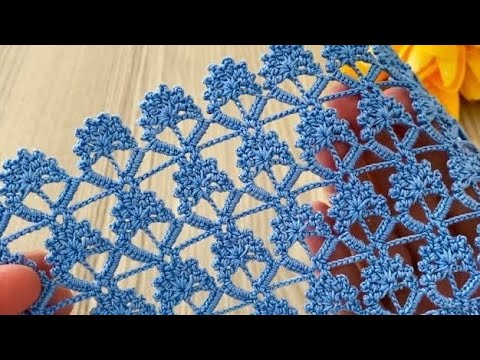
2. Crochet Shawl Pattern Tutorial: Triangular Lace Construction
A triangle shawl is a beautiful project that focuses heavily on expanding the fabric through continuous increases at the center and edges, often using open lace stitches to maximize drape.
A. Essential Materials & Key Concepts
- Yarn: Soft, light fiber (Bamboo/Cotton blend, Lace or Fingering weight) for the best drape.
- Hook: Often one size larger than the yarn label suggests to create airy lace.
- Stitch: Lace patterns like V-Stitch mesh, Shell Stitch, or Lace Fans are ideal.
- Crucial: Blocking Supplies (mats, rust-proof pins).
B. Step-by-Step Triangular Shawl Outline
Step 1: Foundation and Center Spine
- Start: Create a Magic Ring (MR) or
ch 4and join with asl st. - Row 1: Work a small initial stitch count into the ring to establish the base, including a chain space for the center spine.
- (Example: Ch 3, 3 dc, ch 3, 3 dc, ch 3. Turn.)
- Center Spine: Place a stitch marker in the center chain space (
ch 3) to mark the spine.
Step 2: The Increase Rows
The triangle is formed by increasing at three points in every row: the center spine, and both side edges.
- Edges: To begin the row,
ch 3(or the appropriate number for your stitch), and then work an increase into the corner space (e.g.,[dc, ch 1, dc]). - Work the Stitch Pattern: Work your chosen lace pattern (e.g., V-stitches or shells) across the body of the shawl until you reach the center spine marker.
- Center Spine Increase: When you reach the center marked chain space, work an increase here (e.g.,
[3 dc, ch 2, 3 dc]or[dc, ch 2, dc]) and move the marker to the new ch-2 space. - Final Edge: Repeat the stitch pattern down the second half, and finish with an increase into the final corner space.
Ch 3, turn. - Growth: Each row, the stitches between the center spine and the edges increase, making the triangle expand. Continue until the shawl reaches the desired length and wingspan.
Step 3: Finishing and Blocking (CRITICAL)
- Final Edge: Once the shawl reaches the desired size, finish the edge with a simple or elaborate border (e.g., picots, shells, or long tassels).
- Weave in Ends: Secure all tails neatly.
- Blocking: This step is essential for lace.
- Wet/Dampen: Wet the entire shawl completely (or spray thoroughly).
- Pin to Shape: Pin the shawl out firmly on a flat surface (mats or a towel), stretching the edges and points aggressively to open up the lace holes and define the shape.
- Dry: Allow it to air dry completely. Blocking transforms the drape and beauty of the finished piece.
Pattern Integration Tips
| Feature | Blouse Tip (Structure/Fit) | Shawl Tip (Flow/Lace) |
| Tension | Consistent, medium tension is vital for accurate sizing and fit. | Slightly looser tension is better to allow the lace to open up later during blocking. |
| Yarn Choice | Opt for fibers that can withstand washing and hold a stable stitch (Cotton, Acrylic). | Opt for fibers with good elasticity and drape (Bamboo, Alpaca, Merino blends). |
| Stitch | Use dense stitches for stability (hdc, sc) and looser stitches for the main body (V-stitch, simple dc). | Use very open stitches (mesh, shells, fans) to keep the item airy. |
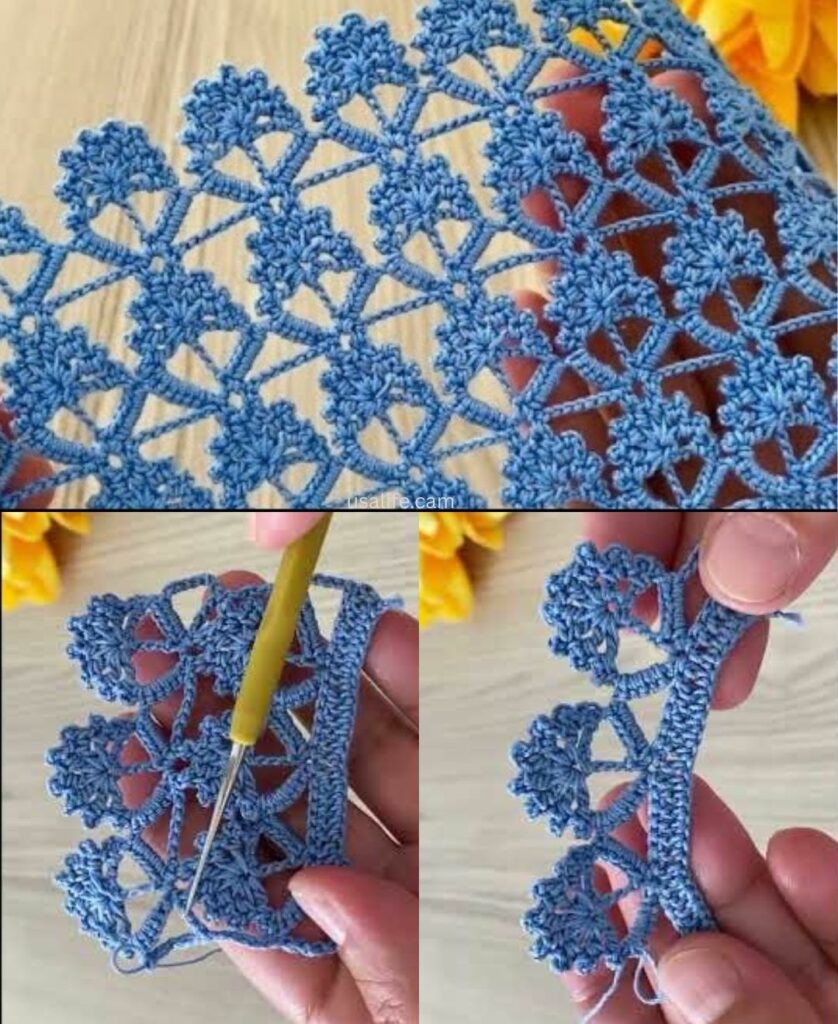
Would you like to explore specific stitch patterns for the blouse (e.g., a V-stitch blouse) or the shawl (e.g., a pineapple lace shawl)?
Video tutorial: