 by
by To master a “Multi-Purpose Motif,” you need a design that bridges the gap between utility (sturdiness for home goods) and drape (flexibility for wearable garments).
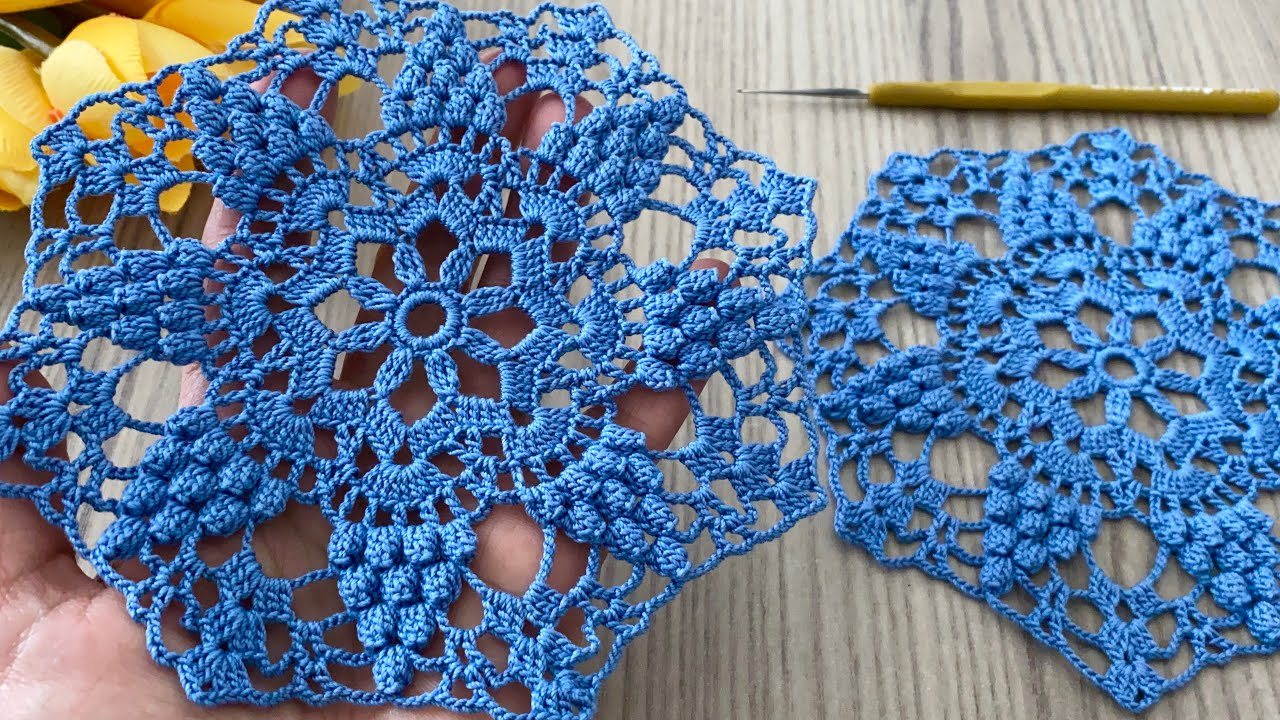
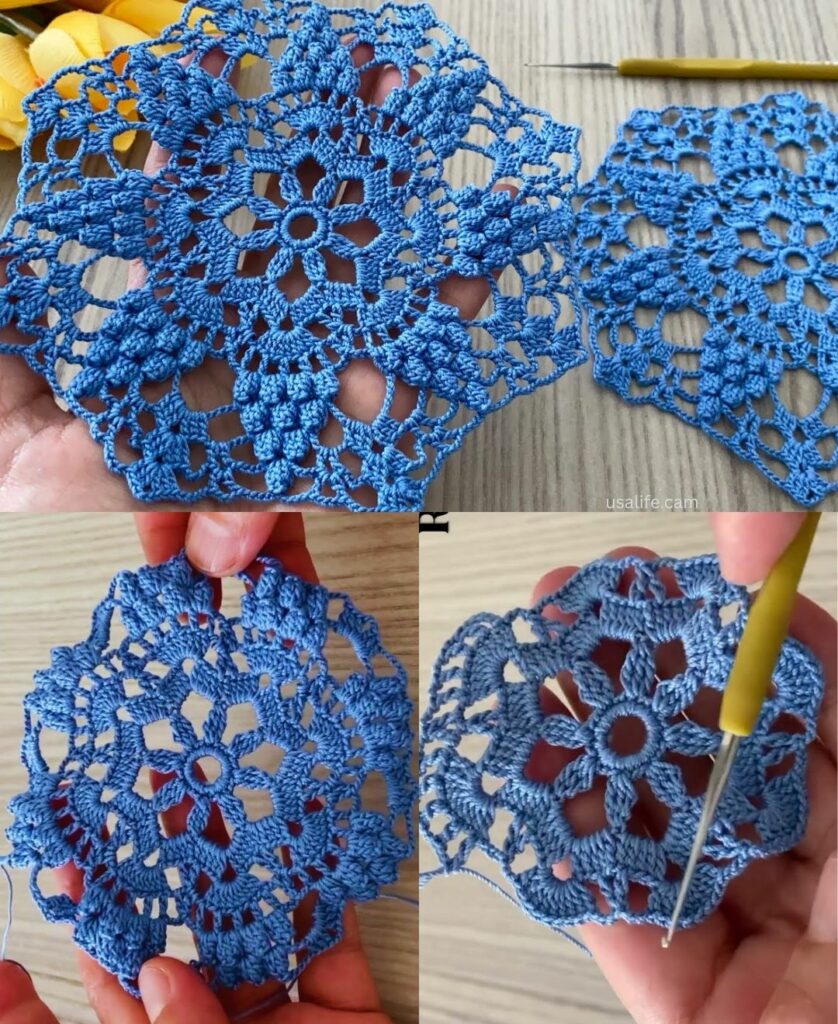
The following pattern is the “Versatile Classic Square.” It is designed with a dense center to hold its shape, but an open edge to allow for easy, flexible joining.
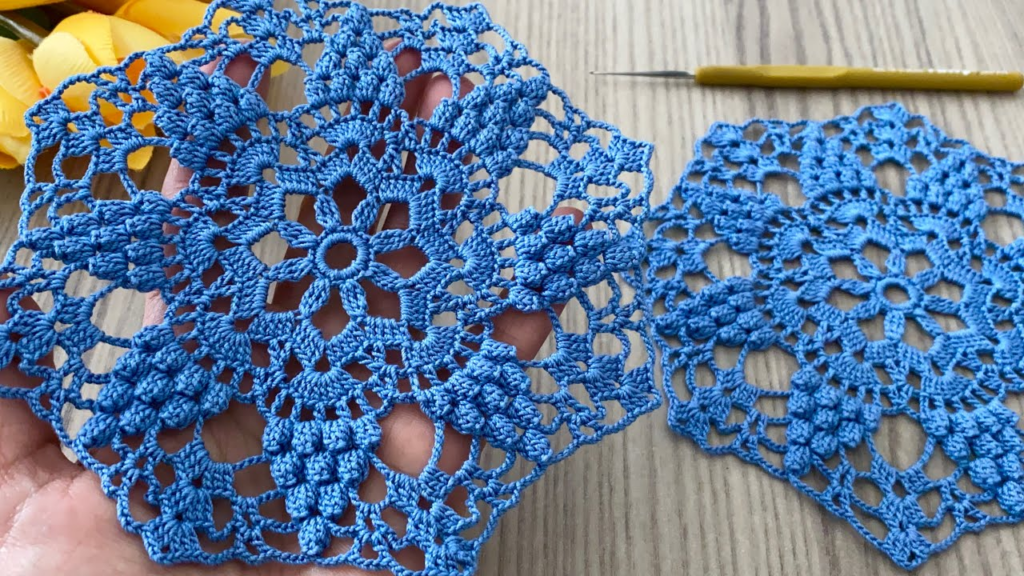
🧶 The Versatile Toolkit
- Yarn: Mercerized Cotton (DK weight). Mercerized cotton is the gold standard for multi-purpose items. It has a slight sheen, is machine-washable, and has excellent stitch definition for both lacey blouses and structured runners.
- Hook: 4.0 mm. This keeps the stitches tight enough that a table runner won’t be “holey,” but loose enough that a garment won’t feel like cardboard.
Stitch Key (US Terms):
- ch: Chain
- sl st: Slip Stitch
- dc: Double Crochet
- Corner:
(2 dc, ch 2, 2 dc)

🛠 The “Versatile Classic” Pattern
Round 1: The Core
- Magic Ring:
ch 3(counts as first dc), work2 dcinto the ring,ch 2(corner). - The Pattern: Work
3 dcinto the ring,ch 2three more times. - Join:
sl stto the top of the initialch 3.
Round 2: The Structure
- Travel:
sl stto the first corner space. - Corner:
ch 3,2 dc,ch 2,3 dc(in the same corner). - The Side:
ch 1. - The Pattern: Work
(3 dc, ch 2, 3 dc)in each corner, withch 1between corner clusters. - Join:
sl stto the top of the initialch 3.

Round 3: The Flexibility (The “Join-Ready” Edge)
- Travel:
sl stto the first corner space. - Corner:
ch 3,2 dc,ch 2,3 dc(in the same corner). - The Bridge:
ch 1,dcinto the side space,ch 1,dcinto the next side space,ch 1. - The Pattern: This round creates small “windows” (the
ch-1spaces). These are essential because they allow you to easily sew or crochet motifs together without adding bulk. - Join:
sl stto the top of the initialch 3.
📐 How to Adapt for Different Uses
1. For a Multi-Purpose Table Runner
- The Join: Use the Mattress Stitch. Lay your motifs flat and sew them together using a tapestry needle through the back loops only. This creates a completely flat seam that won’t rock your wine glasses or plates.
- The Finish: Once joined, add a border of
1 row of dcall the way around, and then a final round of Reverse Single Crochet (Crab Stitch). This makes the runner look like it has a finished, braided hem.

2. For a Flowy Blouse
- The Join: Use the Join-As-You-Go (JAYG) method. As you work the final round of a new motif,
ch 1,sl stinto the loop of the neighboring square, thench 1. This creates a tiny, flexible bridge. - The Fit: The “windows” created in Round 3 allow the garment to stretch slightly. If you want a more “vintage” look, you can add a simple crochet chain-tie at the sides to cinch the waist, making it adjustable to your silhouette.
✨ Pro-Tips for Multi-Purpose Success
- The “Neutral” Rule: If you want your motifs to work as both a runner and a blouse, join them with a neutral yarn (like cream, beige, or slate grey). The neutral joining yarn acts as a visual “frame,” unifying your motif collection and making it look like a cohesive, high-end textile.
- The Blocking Secret:
- For the Runner: Block these motifs rigidly. Pin them to a board, stretch them into perfect squares, and use a light starch spray. This makes the runner lay like a sheet of fabric on your table.
- For the Blouse: Never starch your blouse motifs. Block them just enough to flatten them, but leave the fibers soft so the garment moves with you.
Would you like me to help you map out the number of squares you would need for a medium-sized blouse versus a 6-foot table runner?